

Choosing the right material is one of the most important decisions in sheet metal fabrication. The material affects everything from durability and strength to corrosion resistance, appearance, manufacturing costs, and long-term performance.
Whether the project involves industrial equipment, commercial buildings, automotive components, or architectural features, selecting the appropriate metal ensures that the finished product meets both functional and aesthetic expectations.
Modern sheet metal fabrication supports a wide range of industries because different metals can be cut, bent, welded, and formed into highly customised components. However, not every material performs the same way under demanding conditions.
Factors such as environmental exposure, load requirements, fabrication methods, and maintenance expectations all influence which metal is the best option for a specific application.
Before deciding on the ideal material, it is worth exploring professional guidance and understanding the fabrication process in greater detail. If you are comparing fabrication options or looking for practical insights into manufacturing methods, you could try to better understand the capabilities and considerations involved in producing high-quality fabricated metal components.
Understanding the strengths and limitations of each material allows businesses, builders, and manufacturers to make informed decisions. From stainless steel to aluminium and specialised alloys, every option offers unique advantages that suit different applications.
The following guide explores the best materials for sheet metal fabrication and explains how to choose the right one for lasting performance.
Stainless Steel Remains the Industry Benchmark
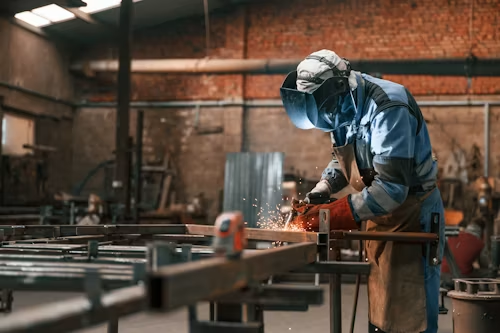
Exceptional Strength and Corrosion Resistance
Stainless steel continues to be one of the most widely used materials in sheet metal fabrication because of its outstanding balance of strength, corrosion resistance, and durability. Its chromium content forms a protective oxide layer that helps prevent rust, making it ideal for environments exposed to moisture, chemicals, or changing weather conditions.
This material is commonly selected for food processing facilities, commercial kitchens, medical equipment, marine applications, and architectural structures where hygiene and longevity are essential. Stainless steel also maintains its appearance over time, reducing maintenance requirements while delivering a clean and professional finish.
Although stainless steel may involve a higher initial investment than some alternatives, its long service life and minimal maintenance often provide greater value over the lifespan of a project.
Aluminium Offers Lightweight Performance
High Strength Without Excess Weight
Aluminium is highly regarded for applications where reducing weight is a priority without sacrificing structural integrity. It is naturally resistant to corrosion, easy to fabricate, and highly recyclable, making it an environmentally responsible choice for many industries.
Its lightweight properties make aluminium especially popular in transportation, aerospace, construction, and consumer products. Fabricators appreciate its ability to be cut, bent, machined, and welded with relative ease, allowing for efficient manufacturing and design flexibility.
Aluminium also accepts a variety of surface finishes, including anodising and powder coating, providing both enhanced protection and attractive visual appeal.
Mild Steel Provides Outstanding Value
Cost-Effective Strength for Everyday Applications
Mild steel remains one of the most economical materials available for sheet metal fabrication. While it lacks the corrosion resistance of stainless steel, it delivers impressive strength, versatility, and ease of fabrication at a significantly lower cost.
This material is frequently used in structural frames, machinery, agricultural equipment, storage systems, and general engineering projects. Because mild steel welds and machines easily, it allows manufacturers to produce components efficiently while maintaining excellent structural performance.
Protective finishes such as galvanising, painting, or powder coating significantly improve its resistance to corrosion, making it suitable for many outdoor applications when properly treated.
Galvanised Steel Combines Durability With Protection
Built for Challenging Outdoor Conditions
Galvanised steel consists of mild steel coated with a protective layer of zinc that shields the underlying metal from corrosion. This added protection extends the lifespan of fabricated products, particularly when they are exposed to harsh weather conditions.
The material is commonly used for roofing, fencing, ventilation systems, electrical enclosures, and agricultural structures. Its combination of affordability and corrosion resistance makes it a preferred option where stainless steel may exceed project budgets.
Galvanised steel requires minimal maintenance while offering dependable long-term performance in many commercial and industrial environments.
Copper Delivers Premium Appearance and Performance
Natural Beauty With Excellent Conductivity
Copper has been valued for centuries because of its distinctive appearance and exceptional electrical and thermal conductivity. Although it is generally more expensive than steel or aluminium, its specialised properties make it indispensable in many fabrication projects.
Electrical systems, plumbing components, roofing materials, decorative architectural features, and heat exchangers frequently rely on copper. Over time, copper develops a natural patina that many architects intentionally incorporate into building designs for its unique visual character.
The material is also highly workable, allowing skilled fabricators to create detailed and intricate designs while maintaining excellent durability.
Brass Combines Strength With Decorative Appeal
Ideal for Precision and Architectural Applications
Brass is an alloy primarily made from copper and zinc. It offers excellent machinability, corrosion resistance, and an attractive golden appearance that makes it suitable for decorative as well as functional applications.
Fabricated brass components are often found in furniture, lighting fixtures, musical instruments, marine hardware, valves, and interior architectural details. Its relatively low friction characteristics also make it useful for precision mechanical components.
Brass maintains its appearance well while providing reliable performance across various commercial and residential applications.
Titanium Excels in High-Performance Industries
Exceptional Strength to Weight Ratio
Titanium represents one of the most advanced materials used in specialised sheet metal fabrication. Despite being significantly lighter than steel, it offers remarkable strength, excellent corrosion resistance, and outstanding performance under extreme temperatures.
Industries including aerospace, defence, medical manufacturing, and advanced engineering regularly use titanium for critical components where reliability cannot be compromised.
Although fabrication costs are considerably higher due to specialised equipment and processing requirements, titanium delivers unmatched long-term performance in demanding environments.
Selecting Materials Based on Application Requirements
Matching Performance With Project Goals
Choosing the best material involves more than comparing prices. Every fabrication project has unique operating conditions that influence material selection.
Environmental exposure often determines whether corrosion-resistant materials like stainless steel or aluminium are necessary. Structural load requirements may favour mild steel or titanium depending on the expected stresses. Projects involving electrical conductivity naturally benefit from copper, while decorative applications may call for brass or stainless steel finishes.
Manufacturing methods also play an important role. Some metals are easier to weld, bend, or machine than others, affecting production efficiency and overall project costs.
Working closely with experienced fabrication professionals ensures that each material aligns with performance expectations, regulatory requirements, and budget limitations.
Fabrication Techniques Influence Material Performance
Manufacturing Methods That Maximise Quality
Even the highest quality material can underperform if fabrication processes are not executed correctly. Precision cutting, laser processing, CNC punching, welding, bending, and finishing all contribute to the final quality of fabricated components.
Different metals respond differently during fabrication. Aluminium requires careful handling to prevent distortion, while stainless steel demands specialised welding techniques to preserve corrosion resistance. Mild steel generally offers greater fabrication flexibility, making it suitable for high-volume manufacturing.
Modern fabrication technology enables manufacturers to achieve tighter tolerances, improved consistency, and reduced material waste while maintaining excellent product quality across diverse industries.
Sustainability Is Becoming Increasingly Important
Recyclable Metals Support Responsible Manufacturing
Environmental responsibility has become a major consideration in material selection. Fortunately, many metals used in sheet metal fabrication are highly recyclable without losing their essential properties.
Aluminium is among the most recycled industrial materials because it retains its quality through repeated recycling processes while requiring substantially less energy than primary production. Steel and stainless steel also have well-established recycling systems that reduce waste and conserve natural resources.
Selecting recyclable materials supports sustainable construction, manufacturing, and infrastructure development while helping businesses meet environmental objectives and reduce their carbon footprint.
Maintenance Requirements Differ Between Materials
Planning for Long-Term Performance
Maintenance expectations should always be considered when selecting sheet metal materials. Stainless steel generally requires minimal maintenance, making it suitable for applications where long service life is essential. Aluminium also performs well with little ongoing care because of its natural oxide layer.
Mild steel requires protective coatings and periodic inspections to prevent corrosion, particularly in outdoor environments. Galvanised steel offers improved durability, although damaged zinc coatings may require repairs over time.
Copper and brass naturally develop surface patinas that may either enhance appearance or require polishing depending on aesthetic preferences.
Considering maintenance costs alongside initial fabrication expenses provides a more accurate understanding of long-term project value.
Frequently Asked Questions
What is the strongest material commonly used in sheet metal fabrication?
Stainless steel is generally considered one of the strongest and most versatile materials for sheet metal fabrication due to its excellent mechanical properties, corrosion resistance, and long service life. Titanium offers even greater strength-to-weight performance but is typically reserved for specialised industries because of its higher cost.
Which sheet metal material is best for outdoor applications?
Galvanised steel, stainless steel, and aluminium are all excellent choices for outdoor environments. The most suitable option depends on the level of corrosion exposure, structural requirements, maintenance expectations, and available budget.
How do I choose the right material for my fabrication project?
Material selection should consider environmental conditions, structural loads, corrosion resistance, fabrication methods, appearance, maintenance requirements, and overall project costs. Evaluating these factors ensures the finished product performs reliably throughout its intended lifespan.
Conclusion
The success of any sheet metal fabrication project begins with selecting the right material for the intended application. Each option offers distinct advantages that influence durability, strength, corrosion resistance, appearance, manufacturing efficiency, and overall project cost.
Stainless steel provides exceptional longevity, aluminium delivers lightweight performance, mild steel offers affordability, galvanised steel enhances outdoor durability, while copper, brass, and titanium meet specialised engineering and architectural requirements.
By carefully evaluating operating conditions, fabrication methods, maintenance expectations, and budget considerations, businesses can make informed material choices that maximise long-term performance. Combining quality materials with skilled fabrication techniques ensures reliable, efficient, and visually appealing results across industrial, commercial, and residential projects.
Leave a Reply