

Laser hair removal has become one of the most popular cosmetic treatments for people looking for a long-term solution to unwanted hair. While many people choose the procedure for convenience and smoother skin, its benefits often extend beyond appearance.
Reducing unwanted hair can also support healthier skin by minimising irritation, preventing ingrown hairs, and reducing the need for constant shaving or waxing.
Repeated hair removal methods can place significant stress on the skin. Daily shaving may create tiny cuts, while waxing can pull at delicate skin and contribute to redness or inflammation. Over time, these habits may affect the skin barrier and increase the likelihood of bumps, pigmentation, and discomfort.
Laser hair removal offers an alternative that targets the hair follicle while allowing the surrounding skin to recover from the cycle of repeated trauma.
If you are exploring the long-term benefits of this treatment, here are the findings that explain how laser hair removal can contribute to healthier skin while reducing unwanted hair growth. Understanding the process and the advantages can help you decide whether this treatment is suitable for your skincare goals.
Modern laser technology has made treatments suitable for a broader range of skin types and body areas than ever before. With professional assessment and appropriate aftercare, laser hair removal can become part of a comprehensive approach to improving both skin appearance and overall skin health.
Laser Hair Removal Reduces Ongoing Skin Irritation
Less Friction From Frequent Hair Removal
Traditional hair removal methods often require constant maintenance. Shaving every few days repeatedly drags a blade across the skin, creating friction that can weaken the skin barrier. Even when performed carefully, shaving may lead to razor burn, redness, and sensitivity.
Laser hair removal significantly reduces hair growth over multiple treatment sessions. As less hair returns, the need for frequent shaving decreases, allowing the skin to recover naturally. Many people notice that persistent irritation gradually fades as they no longer subject their skin to regular mechanical stress.
This reduction in repeated irritation is particularly beneficial for sensitive areas such as the underarms, bikini line, face, and neck, where the skin is thinner and more prone to inflammation.
A Healthier Skin Barrier
Healthy skin relies on an intact protective barrier. Repeated shaving, waxing, and plucking can gradually disrupt this barrier, making skin more vulnerable to dryness, irritation, and environmental damage.
Laser hair removal targets hair follicles beneath the skin rather than removing hair by force. While temporary redness may occur after treatment, the skin generally experiences less long-term disruption compared with ongoing manual hair removal. As treatments continue, the skin often becomes calmer and more resilient.
Helping Prevent Ingrown Hairs
Reducing One of the Most Common Skin Concerns
Ingrown hairs occur when newly growing hairs curl back into the skin instead of emerging normally. This can create painful bumps, inflammation, and in some cases infection.
People with coarse or curly hair often experience ingrown hairs more frequently because the hair naturally curves towards the skin. Repeated shaving may also create sharp hair tips that easily penetrate surrounding tissue.
Laser hair removal reduces the number of active hair follicles, meaning fewer hairs are available to become trapped beneath the skin. As hair becomes finer and grows less frequently, ingrown hairs often become far less common.
For individuals who have struggled with chronic ingrown hairs for years, laser treatment may dramatically improve skin comfort and appearance.
Improving Skin Texture
Repeated ingrown hairs can leave the skin feeling uneven or rough. They may also result in lingering marks after inflammation settles.
By reducing future ingrown hairs, laser hair removal allows the skin to heal more consistently. Many people notice smoother skin texture after completing a series of treatments because fewer bumps and inflamed follicles develop over time.
Lowering the Risk of Folliculitis
Supporting Cleaner Hair Follicles
Folliculitis refers to inflammation of the hair follicles. It may occur after shaving, waxing, friction from clothing, or bacterial exposure. Symptoms often include red bumps, tenderness, and small pustules around hair follicles.
People who experience recurrent folliculitis frequently find that traditional hair removal worsens the condition by irritating already inflamed follicles.
Laser hair removal reduces hair density, which limits the number of follicles that can become inflamed. While it is not considered a treatment for medical skin conditions, many individuals notice fewer episodes of folliculitis once unwanted hair growth decreases.
Reducing repeated inflammation also allows the surrounding skin to recover more effectively.
Minimising Skin Trauma
Each time hair is removed through shaving or waxing, the surrounding skin experiences minor trauma. These repeated injuries can contribute to irritation and increase the opportunity for bacteria to enter tiny breaks in the skin.
Laser treatments reduce dependence on these methods, helping minimise repeated trauma and promoting healthier skin over the long term.
Supporting More Even Skin Tone
Reducing Post-Inflammatory Pigmentation
Skin inflammation sometimes leaves behind darker patches known as post-inflammatory pigmentation. This commonly develops after ingrown hairs, razor burn, or repeated irritation.
As laser hair removal decreases the occurrence of these triggering factors, many people gradually notice a more even complexion in treated areas.
Although existing pigmentation may require additional skincare or dermatological treatment, preventing ongoing inflammation helps reduce the formation of new marks.
Creating Smoother Looking Skin
Even when pigmentation is minimal, frequent shaving may leave visible dark stubble beneath the skin surface. Laser hair removal reduces the thickness and quantity of hair, making the skin appear smoother and brighter between treatment sessions.
This cosmetic improvement often contributes to increased confidence alongside the genuine skin health benefits.
Supporting Better Skin Comfort Throughout the Year
Less Sensitivity During Daily Activities
Skin irritation can become more noticeable during everyday activities when unwanted hair combines with friction from clothing, exercise, or warm weather. Areas such as the underarms, legs, bikini line, and chest are particularly susceptible because constant movement creates repeated rubbing against the skin.
Laser hair removal helps reduce the amount of hair present, allowing these areas to remain more comfortable throughout the day. With less hair to trap moisture and create friction, many people experience fewer episodes of redness, itching, and discomfort.
This improvement can make physical activity more enjoyable, especially for individuals who regularly exercise or spend long periods outdoors.
Greater Confidence in Skin Appearance
Healthy skin is often associated with an even texture, reduced irritation, and a smoother appearance. While laser hair removal is not designed to change the natural characteristics of the skin itself, reducing persistent bumps, ingrown hairs, and visible hair growth can noticeably improve how the skin looks.
Many people report feeling more confident wearing shorts, swimwear, or sleeveless clothing because they no longer worry about razor bumps or visible stubble. This confidence often comes from healthier-looking skin rather than simply having less hair.
Long-Term Benefits Compared With Traditional Hair Removal
Fewer Shaving-Related Problems
Shaving remains one of the quickest methods of removing unwanted hair, but it also requires ongoing maintenance. Many people shave several times each week, exposing their skin to repeated irritation throughout the year.
Laser hair removal offers gradual but lasting hair reduction. Following a complete treatment course and occasional maintenance sessions, many individuals find they shave far less frequently than before.
This reduction helps decrease common shaving problems, including razor burn, accidental cuts, itching during regrowth, and recurring skin sensitivity.
The result is skin that experiences fewer interruptions to its natural healing process.
Reduced Dependence on Waxing
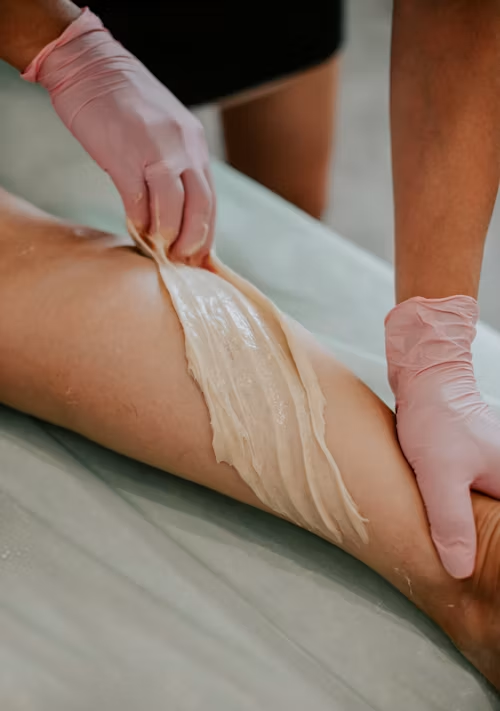
Waxing removes hair from the root but can also stress the surrounding skin. Temporary redness, tenderness, and sensitivity are common after each appointment. Some people may also experience broken hairs that later become ingrown.
Laser hair removal reduces the need for repeated waxing appointments as hair growth slows over time. This allows the skin to avoid the cycle of repeated pulling and inflammation that waxing can create.
For people with sensitive skin, this may contribute to improved comfort and a healthier overall skin condition.
Why Professional Treatment Matters
Individual Skin Assessment
Every person’s skin and hair characteristics are different. Factors such as skin tone, hair colour, hair thickness, medical history, and current skincare routine all influence the most appropriate treatment approach.
A professional assessment ensures the laser settings are selected according to individual needs. Proper assessment also helps identify situations where treatment may need to be delayed, such as recent sun exposure or certain skin conditions.
Personalised treatment planning improves both safety and treatment outcomes while supporting healthier skin throughout the process.
Appropriate Technology for Different Skin Types
Advances in laser technology have made treatment suitable for a much wider variety of skin tones than was previously possible. Different laser systems target hair follicles in different ways, allowing practitioners to choose technology that best matches each person’s complexion and hair characteristics.
Using appropriate equipment reduces unnecessary skin irritation while improving treatment effectiveness. This careful approach supports healthier skin during every session and reduces the likelihood of unwanted side effects.
Caring for Your Skin After Laser Hair Removal
Supporting the Healing Process
Following aftercare instructions plays an important role in maintaining healthy skin after each laser session. Mild redness or slight swelling around treated follicles is common immediately after treatment and usually settles within a short period.
Keeping the treated area clean, avoiding excessive heat, and protecting the skin from direct sun exposure help support natural healing. Applying recommended moisturisers may also assist in maintaining skin hydration while reducing temporary dryness.
Allowing the skin time to recover between sessions contributes to the best long-term results.
Protecting Your Results
Laser hair removal works by targeting hair during specific stages of the growth cycle. Multiple treatment sessions are therefore necessary to achieve a significant long-term reduction.
Attending scheduled appointments and following professional guidance allows each session to build on previous treatments. Maintaining a consistent treatment schedule not only improves hair reduction but also allows the skin to continue benefiting from fewer ingrown hairs, reduced irritation, and smoother texture over time.
Common Misunderstandings About Laser Hair Removal
It Does More Than Remove Hair
One of the biggest misconceptions is that laser hair removal only offers cosmetic benefits. While smoother skin is certainly one outcome, many people also notice meaningful improvements in their skin health.
Reducing chronic irritation, preventing ingrown hairs, minimising folliculitis, and allowing the skin barrier to recover all contribute to healthier-looking and healthier-feeling skin.
These benefits often become increasingly noticeable as treatment progresses and dependence on shaving or waxing decreases.
Results Require Patience
Laser hair removal is not an instant solution. Hair grows in cycles, meaning only actively growing follicles respond during each treatment session.
Most people require several treatments before a significant reduction becomes apparent. Gradual improvement is normal, with hair becoming finer, lighter, and less noticeable after each appointment.
Understanding this process helps set realistic expectations while recognising that long-term improvements in skin health develop alongside hair reduction.
Frequently Asked Questions
Does laser hair removal improve skin health?
Laser hair removal can support healthier skin by reducing irritation from shaving and waxing, decreasing ingrown hairs, lowering the risk of folliculitis, and helping the skin maintain a smoother texture over time.
Is laser hair removal suitable for sensitive skin?
Many people with sensitive skin choose laser hair removal because it reduces the need for repeated shaving or waxing. A professional assessment is important to determine the most appropriate treatment plan based on your skin type and medical history.
How many treatments are usually needed?
Most people require multiple sessions because hair grows in different cycles. The exact number varies depending on the treatment area, hair thickness, skin type, and individual response, with maintenance sessions sometimes recommended to preserve long-term results.
Conclusion
Laser hair removal offers far more than a convenient way to reduce unwanted hair. By decreasing the need for frequent shaving and waxing, it helps minimise irritation, reduce ingrown hairs, lower the likelihood of folliculitis, and support a stronger skin barrier. These improvements contribute to smoother skin, greater comfort, and a healthier overall appearance over time.
Although results vary from person to person, professional treatment combined with appropriate aftercare provides the best opportunity to achieve both long-term hair reduction and improved skin health. Choosing qualified practitioners and following recommended treatment schedules allows the skin to recover from years of repeated irritation while maintaining safe and effective outcomes.
Leave a Reply