

Ute canopies have become an essential upgrade for tradies, campers, tourers, and business owners across Australia. They provide secure storage, weather protection, and additional carrying capacity without sacrificing the versatility of a ute.
However, one of the most common questions buyers ask is how much weight a ute canopy can actually hold before safety, durability, or vehicle performance becomes an issue.
The answer is not as straightforward as a single number. The weight capacity of a canopy depends on several factors, including the canopy material, mounting system, roof load rating, internal storage setup, and the vehicle’s overall payload limits.
Aluminium canopies, steel canopies, and fibreglass options all behave differently under load, especially when exposed to harsh Australian conditions such as corrugated roads, extreme heat, and off-road travel.
Heavy-duty canopies are specifically designed to handle greater loads while maintaining structural integrity over long distances and demanding environments. These canopies are commonly used by tradespeople carrying tools and equipment, as well as off-road enthusiasts transporting rooftop tents, recovery gear, and camping accessories.
Choosing the right canopy means understanding not only the canopy’s individual capacity but also how it interacts with the ute itself.
Whether you use your ute for work, recreation, or both, knowing the realistic weight limits of your canopy helps prevent costly damage, unsafe driving conditions, and unnecessary wear on your vehicle. Understanding load ratings can also help you select a canopy that matches your lifestyle without compromising reliability or performance.
Understanding Ute Canopy Weight Capacity
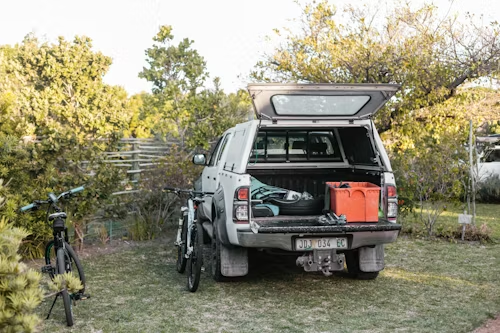
A ute canopy’s weight capacity refers to the amount of weight it can safely support both internally and on its roof. Many people assume the canopy itself determines the total load limit, but the reality is more complex. The ute’s tray, suspension, chassis, and gross vehicle mass all play significant roles in determining safe carrying capacity.
Manufacturers typically divide canopy weight ratings into static and dynamic loads. Static load refers to the amount of weight the canopy roof can support while the vehicle is stationary. Dynamic load refers to the amount it can safely carry while driving.
Static load ratings are often much higher because movement, braking, vibration, and cornering place additional stress on the structure.
For example, a canopy roof may support 300 kilograms statically when parked, making it suitable for rooftop tents and camping setups. However, the same canopy may only support 100 kilograms dynamically while driving. Exceeding the dynamic limit can lead to structural fatigue, mounting damage, or instability on rough roads.
Australian driving conditions make these distinctions especially important. Corrugated tracks, potholes, and uneven terrain increase pressure on mounting points and canopy frames. Even if a canopy appears sturdy, repeated vibration can weaken welds and fasteners over time when overloaded.
The material used in the canopy construction also influences its load capacity. Aluminium canopies are lightweight and corrosion-resistant, making them popular for off-road use. Steel canopies generally handle heavier loads but add significant weight to the vehicle.
Fibreglass canopies are lighter and often more affordable, though they may not be suitable for heavy rooftop systems or industrial use.
Dynamic Load Versus Static Load
Many canopy owners misunderstand the difference between dynamic and static loads. A rooftop tent, solar setup, or roof rack system may seem well within the canopy’s weight limit when parked, but movement creates additional force during travel.
Dynamic loads account for acceleration, braking, cornering, and vibrations from road surfaces. These forces amplify the pressure placed on the canopy and mounting system. This is why manufacturers provide lower driving load ratings than parked load ratings.
Static loads mainly matter when the vehicle is stationary. Rooftop tents, for example, distribute weight across the canopy roof while camping. The canopy can safely support the combined weight of occupants and equipment because there are no additional driving forces involved.
Why Vehicle Payload Matters
Even if the canopy itself can hold significant weight, the ute’s payload capacity may become the limiting factor. Payload includes passengers, fuel, accessories, tools, and canopy weight combined.
Adding a canopy, drawers, fridges, batteries, and roof racks can quickly consume available payload. Overloading the vehicle affects braking performance, tyre wear, fuel economy, and suspension reliability. It may also void insurance coverage or breach road regulations.
Roof Rack Systems and Weight Distribution
Many canopy owners install roof racks for ladders, camping gear, or recovery equipment. Proper weight distribution becomes essential when using roof-mounted systems. Concentrating weight in one area increases strain on the canopy roof and mounting points.
A professionally designed roof rack system spreads weight evenly across reinforced sections of the canopy. This reduces stress and improves long-term durability.
Factors That Affect How Much Weight a Canopy Can Hold
Several variables influence the actual load capacity of a ute canopy. Two canopies may appear visually similar yet perform very differently under heavy loads depending on their engineering and construction quality.
The first factor is the frame design. Reinforced internal structures improve rigidity and allow the canopy to handle more weight without flexing. Heavy-duty models often use thicker aluminium tubing or reinforced steel frameworks to improve strength.
Mounting systems also play a critical role. A canopy secured with high-quality mounting brackets and reinforced tray connections will generally support more weight safely than one with basic fittings. Weak mounting points often fail before the canopy itself does.
The type of terrain you drive on also affects load capacity. Smooth highways place far less stress on a canopy than rough off-road tracks. Drivers travelling through remote areas should consider lower effective weight limits to compensate for constant vibration and impacts.
Environmental conditions matter too. Extreme heat can affect seals, adhesives, and some lightweight materials over time. Coastal environments increase corrosion risks, especially for steel components without proper protective coatings.
Aluminium Canopies
Aluminium canopies are extremely popular in Australia because they balance strength with reduced weight. Their lighter construction helps preserve vehicle payload capacity while still supporting moderate to heavy loads.
Premium aluminium canopies often feature reinforced roof sections designed for roof racks, solar panels, and camping accessories. Their corrosion resistance also makes them ideal for coastal and humid environments.
Steel Canopies
Steel canopies are known for exceptional strength and durability. They are commonly used in mining, construction, and industrial applications where maximum toughness matters more than weight savings.
However, steel canopies significantly increase vehicle weight. This reduces available payload and may require suspension upgrades for safe handling.
Fibreglass Canopies
Fibreglass canopies are generally suited to lighter recreational use rather than heavy-duty work applications. While modern fibreglass designs can be durable, they usually have lower roof load ratings than aluminium or steel alternatives.
These canopies work well for secure storage and weather protection, but may not suit heavy rooftop accessories or demanding off-road conditions.
Common Loads Carried on Ute Canopies
Understanding what people typically carry on their canopies helps explain why load ratings vary so much between users. Work vehicles and touring setups place very different demands on a canopy system.
Tradespeople often carry ladders, conduit, power tools, compressors, and materials on canopy roofs. These loads require strong roof racks and reinforced canopy construction to remain stable during daily driving.
Camping and touring setups commonly include rooftop tents, awnings, recovery boards, spare tyres, water tanks, and solar panels. Although these accessories may not seem particularly heavy individually, their combined weight can add up quickly.
Business owners may also use canopies for transporting stock, equipment, or specialised tools. Internal drawer systems, shelving, and battery setups further increase total load.
Rooftop Tents
Rooftop tents are one of the most common canopy roof accessories in Australia. Most quality canopies can safely support a rooftop tent dynamically, provided proper roof racks are installed.
Static load ratings become more important when the tent is occupied. Manufacturers usually design reinforced canopies to accommodate this type of setup safely.
Trade Equipment
Trade setups place continuous strain on canopy structures because equipment is often loaded and unloaded daily. Uneven loading can create twisting forces that gradually weaken mounting systems over time.
Professional tradies often choose reinforced aluminium or steel canopies to handle the constant demands of commercial work.
Off-Road Recovery Gear
Recovery boards, jacks, fuel containers, and spare tyres are common additions for touring vehicles. While useful, these items increase roof weight and raise the vehicle’s centre of gravity.
Drivers should ensure recovery gear is securely mounted and evenly distributed to minimise handling issues.
Signs Your Canopy Is Overloaded
Overloading a ute canopy may not always be immediately obvious, but several warning signs indicate the vehicle or canopy is carrying too much weight.
Sagging suspension is one of the first indicators. If the rear of the vehicle sits noticeably lower than normal, the total payload may exceed safe limits. Excessive suspension compression affects handling and braking performance.
Drivers may also notice increased body roll during cornering or instability on uneven roads. Heavy roof loads raise the centre of gravity, making the vehicle feel less stable.
Visible flexing or movement in the canopy structure is another warning sign. Cracks around mounting points, loose bolts, and unusual noises during driving often indicate excessive stress on the canopy system.
Tyre wear can also reveal overloading problems. Excessive rear tyre wear or overheating may result from carrying too much weight over extended periods.
Reduced Braking Performance
Heavier vehicles require longer stopping distances. Overloaded utes place extra pressure on brakes, especially during downhill driving or emergency stops.
Brake fade becomes more likely when excessive loads are carried regularly.
Increased Fuel Consumption
Extra weight forces the engine to work harder, increasing fuel usage. Roof-mounted loads also increase aerodynamic drag, especially at highway speeds.
Heavy rooftop accessories can significantly affect long-distance fuel economy.
Structural Fatigue
Repeated overloading gradually weakens canopy structures. Even if a canopy does not fail immediately, long-term stress can shorten its lifespan considerably.
Fatigue cracks often develop slowly and may not become visible until substantial damage has already occurred.
Choosing the Right Canopy for Heavy Loads
Selecting a canopy capable of handling substantial weight requires more than comparing advertised load ratings. Buyers should consider how the canopy will actually be used in real-world Australian conditions.
A lightweight fibreglass canopy may work perfectly for occasional camping trips, while a tradie carrying tools daily may require reinforced aluminium or steel construction. Touring enthusiasts planning remote off-road travel should prioritise durability, mounting strength, and compatibility with roof rack systems.
Professional installation also matters. Even the strongest canopy can become unsafe if mounted incorrectly. Experienced installers ensure load distribution, tray compatibility, and mounting reinforcement are properly addressed.
Buyers should also think about future upgrades. Additional batteries, water tanks, drawer systems, and rooftop accessories may increase weight over time. Choosing a canopy with higher load margins provides greater flexibility for future modifications.
Suspension Upgrades
Many heavy canopy setups benefit from upgraded suspension systems. Stronger springs and shock absorbers improve handling and maintain ride height under load.
Suspension upgrades are particularly useful for touring vehicles carrying constant heavy equipment.
Reinforced Roof Systems
Canopies designed for rooftop tents and heavy roof racks often feature reinforced roof channels or internal bracing systems.
These reinforcements distribute weight more effectively and reduce long-term structural stress.
Manufacturer Load Ratings
Always follow manufacturer load ratings rather than estimating capacity visually. Professional testing accounts for engineering limitations that may not be obvious to users.
Ignoring published load ratings increases safety risks and may void warranties.
Frequently Asked Questions
How much weight can a ute canopy roof hold?
Most quality ute canopies can hold between 75 and 150 kilograms dynamically while driving, depending on construction and roof rack systems. Static load ratings are usually much higher and may exceed 300 kilograms for rooftop tents and camping setups.
Can I put a rooftop tent on any canopy?
Not every canopy is designed for rooftop tents. The canopy must have adequate roof load capacity and reinforced mounting points. Aluminium and steel canopies are generally better suited for rooftop tent installations than lightweight fibreglass models.
Does canopy weight affect fuel economy?
Yes, heavier canopies and roof loads increase fuel consumption. Added weight forces the engine to work harder, while roof-mounted accessories increase aerodynamic drag on the highway.
Conclusion
Understanding how much weight a ute canopy can hold involves far more than checking a single specification sheet. The canopy’s material, roof rating, mounting system, and the ute’s overall payload capacity all contribute to safe carrying limits.
Australian conditions place additional stress on vehicles, making proper load management especially important for touring, trade, and off-road applications.
Choosing a well-engineered canopy designed for your intended use helps improve safety, durability, and long-term performance. Whether carrying tools for work or equipment for remote adventures, matching the canopy to realistic load requirements ensures your ute remains reliable in every environment.
Leave a Reply