

Pests are a common challenge in homes around the world. Ants trailing across kitchen counters, cockroaches hiding in dark crevices, rodents nesting in storage spaces, mosquitoes breeding near stagnant water, and termites slowly damaging wooden structures are all examples of how pests can disrupt comfort and safety in residential environments.
Because of this, homeowners often search for clear and practical solutions to manage infestations. One of the most common questions asked in home pest removal is: What are the 4 methods of pest control?
The answer is based on a foundational framework used by professionals in pest management, which divides pest control into four main categories: chemical, biological, physical, and cultural methods.
Each method plays a different role, and when combined, they create a complete and effective pest control strategy. Understanding these four methods helps homeowners make better decisions, recognise treatment approaches, and maintain long-term protection against pests.
This guide explores each of the four methods in detail, how they work in Home Pest Removal, when they are used, and why they are most effective when applied together.
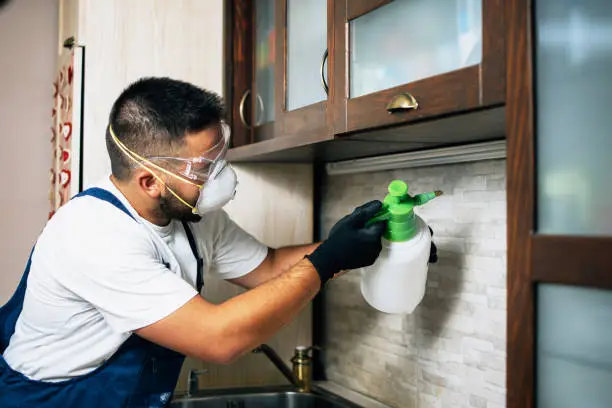
What Are the 4 Methods of Pest Control
The four main methods of pest control used in home pest removal are chemical control, biological control, physical control, and cultural control.
These methods represent different approaches to managing pests. Some focus on directly eliminating pests, while others focus on preventing infestations by changing environmental conditions or disrupting pest survival.
No single method is enough on its own for long-term control. Instead, effective pest management often combines all four methods depending on the situation.
Why Pest Control Uses Four Different Methods
Pests are highly adaptable and can survive in many different environments. Because of this, a single approach is rarely sufficient.
Different Pest Behaviours
Ants form colonies, cockroaches hide in tight spaces, rodents search for food and shelter, and termites live in hidden colonies underground or inside wood.
Different Home Environments
Kitchens, bathrooms, basements, attics, and outdoor areas all provide different conditions for pests.
Different Levels of Infestation
Small infestations may require minimal intervention, while large infestations require combined strategies.
Using four methods ensures flexibility and effectiveness in all situations.
Chemical Method of Pest Control
The chemical method is one of the most widely used approaches in home pest removal.
What Chemical Control Means
Chemical control involves using substances designed to kill, repel, or disrupt pests. These may include sprays, baits, gels, dusts, or fumigation treatments.
Common Chemical Products
Insecticides are used for ants, cockroaches, and flies. Rodenticides are used for mice and rats. Termiticides are used for termite protection in structures.
How Chemical Control Works
Chemicals affect pests’ nervous systems, digestive systems, or reproductive cycles, ultimately reducing or eliminating populations.
Where It Is Used in Homes
Chemical treatments are often applied in kitchens, bathrooms, wall cracks, basements, and exterior perimeters where pests are active.
Advantages of Chemical Control
It provides fast results and is effective for active infestations.
Limitations of Chemical Control
It may not eliminate hidden nests or prevent pests from returning if underlying causes are not addressed.
Biological Method of Pest Control
The biological method uses natural organisms or processes to control pest populations.
What Biological Control Means
It involves using predators, parasites, or microorganisms that naturally reduce pest numbers.
Examples in Home Environments
Although more common in agriculture, biological methods can include encouraging natural predators like spiders or certain insects that feed on pests.
Microbial Solutions
Some treatments use bacteria or fungi that specifically target pests without harming humans or pets.
How Biological Control Works
It reduces pest populations naturally by disrupting their life cycles.
Advantages of Biological Control
It is environmentally friendly and reduces reliance on chemicals.
Limitations of Biological Control
It is slower and may not be suitable for immediate infestations inside homes.
Physical Method of Pest Control
The physical method involves directly removing pests or preventing them from entering or surviving in a space.
What Physical Control Means
It includes traps, barriers, exclusion techniques, and manual removal of pests.
Common Physical Methods in Homes
Mouse traps, fly screens, door seals, vacuuming insects, and sealing cracks are all examples.
Heat and Cold Treatments
Extreme temperatures can be used to eliminate pests such as bed bugs in controlled environments.
How Physical Control Works
It removes pests directly or blocks their access to food and shelter.
Advantages of Physical Control
It is safe, chemical-free, and effective for immediate control.
Limitations of Physical Control
It may not address hidden infestations or large colonies.
Cultural Method of Pest Control
The cultural method focuses on changing human behaviour and environmental conditions to prevent pests.
What Cultural Control Means
It involves improving cleanliness, waste management, food storage, and home maintenance practices.
Food and Waste Management
Proper storage of food and regular disposal of garbage reduce pest attraction.
Moisture Control
Fixing leaks and reducing humidity helps prevent pests that thrive in damp environments.
Decluttering Spaces
Reducing clutter removes hiding and breeding areas for pests.
Outdoor Maintenance
Trimming vegetation and managing garden waste reduces pest entry points.
How Cultural Control Works
It makes the environment less attractive and less suitable for pest survival.
Advantages of Cultural Control
It is preventive, cost-effective, and sustainable.
Limitations of Cultural Control
It may not eliminate existing infestations on its own.
How the Four Methods Work Together
The most effective pest control strategies combine all four methods.
Chemical for Immediate Control
Used to quickly reduce active infestations.
Biological for Natural Balance
Helps maintain long-term ecological control.
Physical for Direct Action
Removes pests and blocks entry points.
Cultural for Prevention
Reduces the chance of future infestations.
Together, these methods create a complete pest management system.
Common Home Pests and How the Four Methods Apply
Ants
Chemical baiting, sealing entry points, removing food sources, and maintaining cleanliness all work together.
Cockroaches
Targeted sprays, traps, sanitation improvements, and moisture control are commonly used.
Rodents
Traps, exclusion work, waste management, and rodenticides form a combined strategy.
Mosquitoes
Water removal, environmental control, and targeted treatments are essential.
Bed Bugs
Heat treatments, vacuuming, chemical applications, and clutter reduction are required.
Each pest benefits from a combination of methods.
Why Chemical Control Alone Is Not Enough
Chemical control is effective but limited on its own.
Hidden Colonies
Chemicals may not reach nests inside walls or underground.
Resistance Issues
Some pests develop resistance to certain chemicals over time.
Temporary Results
Without prevention, pests may return after treatment.
This is why integrated methods are preferred.
Importance of Prevention in Pest Control
Prevention is the most important long-term strategy.
Reducing Attraction
Clean environments attract fewer pests.
Blocking Entry Points
Sealing gaps prevents access.
Removing Resources
Eliminating food and water sources reduces survival chances.
Prevention reduces the need for repeated treatments.
Role of Inspection in Choosing Methods
Inspection helps determine which methods are needed.
Identifying Pest Type
Different pests require different solutions.
Locating Infestation Areas
Helps target treatment effectively.
Understanding Severity
Determines whether simple or combined methods are required.
Inspection ensures accuracy in pest control planning.
Professional Pest Control and the Four Methods
Professionals use all four methods depending on the situation.
Assessment First
Inspection and diagnosis guide treatment decisions.
Customized Treatment Plans
Methods are selected based on pest type and environment.
Ongoing Monitoring
Ensures pests do not return.
Professional services combine science and experience.
DIY Pest Control and Its Limitations
DIY methods often use only one or two methods.
Limited Coverage
Hard-to-reach areas are often missed.
Lack of Strategy
Methods may not be combined effectively.
Temporary Solutions
Problems often return without prevention.
DIY can help, but professional methods are more complete.
Long-Term Pest Management Strategy
Effective pest control is ongoing.
Regular Maintenance
Prevents buildup of pest-friendly conditions.
Seasonal Awareness
Different pests appear at different times of year.
Continuous Monitoring
Early detection prevents infestations from growing.
Long-term strategy ensures lasting protection.
Frequently Asked Questions
What are the 4 methods of pest control?
Chemical, biological, physical, and cultural methods.
Which method is most effective?
No single method is best. A combination of all four is most effective.
Can pest control be done without chemicals?
Yes, physical, biological, and cultural methods can reduce or manage pests, especially in prevention.
Conclusion
If you are asking what the 4 methods of pest control in home pest removal are, the answer is chemical, biological, physical, and cultural methods. Each plays a unique role in managing pests, from eliminating active infestations to preventing future problems.
The most effective pest control strategies do not rely on one method alone. Instead, they combine all four approaches to create a balanced system that targets pests from every angle.
By understanding and applying these methods, homeowners can maintain cleaner, safer, and more pest-resistant environments. Effective pest control is not just about removing pests when they appear. It is about creating conditions where pests struggle to survive in the first place.
Leave a Reply