

Unwanted hair has been a common concern across cultures and generations. While temporary solutions such as shaving and waxing remain widely used, many individuals seek a more permanent answer.
Professional hair removal services offer advanced technologies designed to significantly reduce or eliminate hair growth over time. However, confusion often arises when discussing what is truly “permanent.”
This in-depth guide explores Professional Hair Removal in detail and answers a key question: What is the best method to permanently remove hair? By examining how hair grows, how various treatments work, their effectiveness, safety considerations, and realistic expectations, this article provides a clear and comprehensive understanding for anyone considering long-term solutions.
Understanding Hair Growth Before Choosing a Permanent Method
Before selecting a professional hair removal treatment, it is essential to understand how hair grows. Hair growth is not continuous or uniform across the body. Each hair follicle operates independently and moves through a cycle of growth phases.
The anagen phase is the active growth stage, during which the hair is connected to the follicle and contains pigment. The catagen phase is a transitional period where growth slows. The telogen phase is the resting stage before the hair sheds naturally.
Because hair follicles are in different phases at different times, permanent removal requires targeting hairs during the active growth phase. This biological fact explains why multiple treatment sessions are necessary for long-term results.
Why Hair Growth Cycles Matter in Permanent Removal
Permanent hair removal methods must disrupt the follicle’s ability to regenerate hair. However, not all follicles are active at once. Treatments only effectively destroy or damage follicles during specific growth phases.
As a result, professional hair removal plans are designed in intervals to ensure maximum coverage of active follicles over time. Patience and consistency are crucial to achieving lasting results.
Defining Permanent Hair Removal Versus Permanent Hair Reduction
One of the most important distinctions in professional hair removal is the difference between permanent hair removal and permanent hair reduction. These terms are often used interchangeably, but they are not identical.
Permanent hair removal refers to the complete and irreversible destruction of a hair follicle so that it can no longer produce hair. Permanent hair reduction, on the other hand, means a long-term decrease in the number of hairs growing in a treated area.
Understanding this distinction is critical when evaluating which method is truly the best for permanent removal.
The Scientific Meaning of “Permanent”
In aesthetic medicine, “permanent” typically means long-term and stable results after completing a treatment series. It does not always guarantee that no new hair will ever grow again, as hormonal changes or dormant follicles may activate later. Therefore, expectations must be aligned with biological realities.
What Is the Best Method to Permanently Remove Hair
The most widely recognised method for true permanent hair removal is electrolysis. It is currently the only technique approved in many regions as a permanent hair removal solution on a follicle-by-follicle basis.
Electrolysis involves inserting a fine probe into each hair follicle and applying an electrical current. This current destroys the follicle’s growth centre, preventing it from producing new hair. While highly effective, electrolysis requires precision, time, and multiple sessions.
Why Electrolysis Is Considered Permanent
Electrolysis directly targets each follicle without relying on pigment. This means it can treat all hair colours, including blonde, grey, and red hair, which may not respond well to other technologies.
Because each follicle is individually treated and destroyed, electrolysis provides permanent removal when performed correctly. However, it is time-intensive, especially for larger areas, as each hair must be treated separately.
Laser Hair Removal and Its Role in Long-Term Results
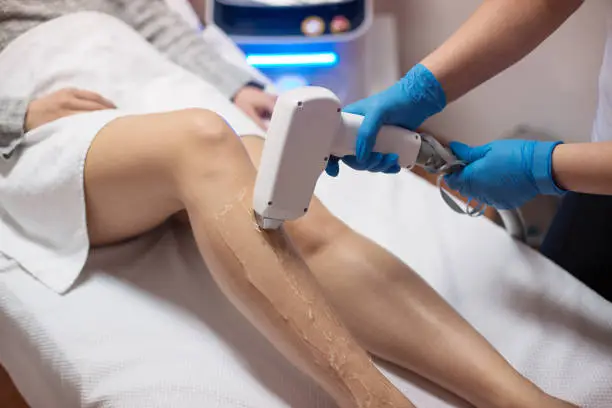
Laser hair removal is one of the most popular professional hair removal methods. While it is highly effective, it is generally categorised as permanent hair reduction rather than complete permanent removal.
Laser technology uses concentrated light energy absorbed by the pigment in hair follicles. The heat damages the follicle and significantly reduces its ability to regrow hair. Most individuals experience a substantial reduction in hair density after completing recommended sessions.
Advantages of Laser Hair Removal
Laser treatments cover larger areas quickly, making them ideal for legs, back, chest, and underarms. Sessions are faster compared to electrolysis, and discomfort is usually minimal with modern cooling systems. For individuals seeking long-term reduction with convenience, laser hair removal offers an excellent balance of effectiveness and efficiency.
Comparing Electrolysis and Laser Treatments
Choosing the best method depends on treatment goals, hair type, skin tone, and time commitment. Electrolysis offers true permanent follicle destruction but requires patience and multiple detailed sessions.
Laser treatments provide long-term reduction and are more practical for larger treatment areas. For some individuals, combining both methods yields optimal results. Laser treatments reduce overall hair density, and electrolysis removes remaining stubborn hairs permanently.
Treatment Time and Commitment
Electrolysis sessions may last from 15 minutes to over an hour, depending on the area. Because each hair is treated individually, larger areas require extended treatment plans. Laser sessions are typically quicker and spaced several weeks apart. Understanding these differences helps clients choose based on lifestyle and expectations.
Suitability for Different Hair and Skin Types
Electrolysis is effective for all hair colours and skin types because it does not rely on pigment detection. This makes it suitable for individuals with light or grey hair.
Laser hair removal works best on dark hair with lighter skin due to pigment contrast. However, modern laser technologies now accommodate a broader range of skin tones. A professional consultation determines the most appropriate method based on individual characteristics.
Hormonal Considerations
Hormonal conditions such as polycystic ovary syndrome (PCOS) can stimulate ongoing hair growth. Even after permanent removal of treated follicles, new follicles may become active. Maintenance treatments may be necessary depending on hormonal balance.
The Professional Treatment Process
Professional hair removal begins with consultation and assessment. Practitioners evaluate hair thickness, density, growth patterns, and skin sensitivity. A treatment plan is created outlining the number of sessions required and expected outcomes.
Safety and Comfort Measures
Qualified professionals follow strict hygiene protocols and use sterile equipment. Protective eyewear and skin cooling systems enhance comfort during laser sessions. For electrolysis, sterile probes are used to prevent infection. Temporary redness or mild swelling may occur but usually resolves quickly.
Cost Considerations and Long-Term Value
Electrolysis may appear more expensive due to the number of sessions required. However, once follicles are permanently destroyed, no additional treatments are needed for those hairs.
Laser treatments often involve package pricing and may require maintenance sessions over time. Evaluating cost should include long-term savings from eliminating razors, waxing appointments, and depilatory products.
Investment in Confidence and Convenience
Beyond financial cost, professional hair removal offers convenience and improved comfort. Reduced ingrown hairs, smoother skin, and less daily grooming contribute to long-term satisfaction.
Risks and Potential Side Effects
When performed by licensed professionals, permanent hair removal methods are generally safe. Electrolysis may cause temporary redness or slight scabbing. Laser treatments may cause mild swelling or pigmentation changes if improper settings are used. Choosing experienced practitioners minimises risks and ensures proper care.
Importance of Qualified Providers
Certification, training, and clinical experience significantly impact treatment success. Clients should seek reputable clinics with clear safety protocols. Professional expertise directly influences permanent results.
Realistic Expectations and Results
Permanent hair removal through electrolysis provides lasting elimination of treated follicles. However, patience is required, as hair growth cycles necessitate multiple sessions.
Laser treatments deliver a substantial reduction but may not remove every single hair permanently.
Understanding realistic outcomes ensures satisfaction and informed decision-making.
Maintenance and Follow-Up
Even with electrolysis, new hair may appear due to hormonal changes. Follow-up sessions address any new growth.
Consistency with appointments maximises permanent outcomes.
Frequently Asked Questions
What is the best method to permanently remove hair?
Electrolysis is widely recognised as the best method for true permanent hair removal because it destroys individual hair follicles completely.
Is laser hair removal permanent?
Laser hair removal provides permanent hair reduction but may not eliminate all hair permanently. Maintenance sessions may be needed.
Does electrolysis hurt?
Discomfort levels vary depending on individual sensitivity, but most clients tolerate treatment well. Topical numbing creams can improve comfort.
Conclusion
Professional hair removal offers effective long-term solutions for individuals seeking freedom from constant grooming routines. When asking, What is the best method to permanently remove hair? The answer is electrolysis for true permanent follicle destruction.
However, laser hair removal remains a highly popular and practical choice for significant long-term reduction across larger areas.
Understanding the difference between permanent removal and reduction, recognising the importance of hair growth cycles, and consulting qualified professionals are essential steps toward achieving lasting results. With proper planning and realistic expectations, professional hair removal can provide smooth skin, improved comfort, and lasting confidence.
Leave a Reply