

Waste is an unavoidable by-product of modern living, yet how it is managed determines its impact on the environment. Traditional disposal methods, such as landfilling and incineration, have long been criticised for contributing to pollution, greenhouse gas emissions, and the depletion of natural resources.
As environmental awareness grows, individuals, businesses, and governments are turning towards more sustainable approaches to managing waste.
At its core, green disposal is about reducing harm to the environment by prioritising methods that conserve resources, minimise pollution, and support ecological balance. It shifts the focus from simply “getting rid” of waste to managing it responsibly through reuse, recycling, composting, and other environmentally conscious processes.
This approach is not only beneficial for the planet but also promotes long-term economic and social sustainability.
Green waste disposal plays a central role in this movement, particularly when dealing with organic materials such as garden clippings, food scraps, and biodegradable waste. By handling these materials correctly, communities can significantly reduce landfill use while enriching soil and supporting circular resource systems.
Understanding green disposal is essential in a world facing climate challenges and resource scarcity. It is no longer a niche concept but a necessary evolution in how society approaches consumption and waste.
What Defines Green Disposal?
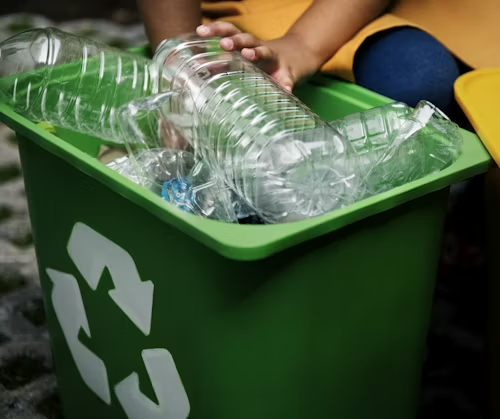
Green disposal refers to environmentally responsible waste management practices designed to reduce ecological harm. Unlike conventional methods, it prioritises sustainability, resource recovery, and pollution prevention.
The Principles Behind Green Disposal
At the heart of green disposal are several guiding principles. These include reducing waste generation, reusing materials wherever possible, and recycling resources to extend their lifecycle. The concept aligns closely with the circular economy, where waste is seen as a resource rather than an endpoint.
Another critical principle is minimising environmental impact. This involves reducing greenhouse gas emissions, preventing soil and water contamination, and protecting biodiversity. By adopting these practices, green disposal supports healthier ecosystems.
Types of Waste Managed Through Green Disposal
Green disposal applies to various types of waste, including organic waste, recyclable materials, and certain non-hazardous industrial by-products. Organic waste, such as food scraps and garden trimmings, is often composted or processed into mulch.
Recyclable materials like paper, glass, and metals are reprocessed into new products, reducing the need for raw material extraction. Even construction waste can be managed sustainably through sorting and reuse.
Differences from Traditional Waste Disposal
Traditional disposal methods often rely heavily on landfills and incineration. These approaches can lead to methane emissions, air pollution, and long-term environmental damage. Green disposal, by contrast, seeks to avoid these outcomes by diverting waste from landfill and emphasising recovery.
The shift is not merely technical but philosophical. It represents a move from linear consumption patterns to sustainable cycles that prioritise environmental stewardship.
Environmental Benefits of Green Disposal
The adoption of green disposal practices offers significant environmental advantages, making it a vital component of sustainability efforts.
Reduction of Landfill Waste
One of the most immediate benefits is the reduction of landfill usage. Landfills are major sources of methane, a potent greenhouse gas. By diverting waste through recycling and composting, green disposal reduces these emissions.
Less reliance on landfills also decreases the need for new landfill sites, preserving land and reducing environmental disruption.
Conservation of Natural Resources
Green disposal supports the conservation of natural resources by encouraging the reuse and recycling of materials. When products are recycled, fewer raw materials are required for manufacturing, which reduces mining, logging, and other extractive activities.
This conservation effort helps maintain ecological balance and ensures resources remain available for future generations.
Improvement of Soil Health
Organic waste processed through composting contributes to healthier soil. Compost enriches soil with nutrients, improves water retention, and supports plant growth.
This benefit is particularly valuable in agriculture and landscaping, where soil quality directly affects productivity and sustainability.
The Role of Green Waste Disposal in Everyday Life
Green waste disposal is one of the most accessible ways individuals and communities can participate in sustainable waste management.
Household Practices
At the household level, green waste disposal often involves separating organic waste from general rubbish. Kitchen scraps, garden clippings, and biodegradable materials can be composted or collected through local green waste services.
Simple habits, such as maintaining a compost bin or using council-provided green bins, can make a substantial difference in reducing landfill contributions.
Community and Council Initiatives
Local councils play a significant role in promoting green waste disposal by offering collection services, education programmes, and recycling facilities. These initiatives make it easier for residents to participate in sustainable practices.
Community gardens and composting hubs also provide opportunities for collective action, turning waste into valuable resources for shared use.
Commercial and Industrial Applications
Businesses and industries are increasingly adopting green disposal methods to reduce their environmental footprint. Restaurants, for instance, can compost food waste, while construction companies can recycle building materials.
These efforts not only benefit the environment but can also lead to cost savings and improved public perception.
Challenges and Misconceptions About Green Disposal
Despite its benefits, green disposal faces several challenges and is often misunderstood.
Perceived Complexity
Many people believe that green disposal is complicated or time-consuming. While it may require initial effort to establish new habits, the process becomes routine with time.
Education and accessible systems are key to overcoming this barrier and encouraging wider adoption.
Contamination Issues
Improper sorting of waste can lead to contamination, which reduces the effectiveness of recycling and composting processes. For example, mixing non-biodegradable materials with organic waste can disrupt composting.
Clear guidelines and public awareness campaigns are essential to address this issue.
Cost Concerns
Some individuals and organisations perceive green disposal as more expensive than traditional methods. However, when considering long-term environmental and economic benefits, it often proves to be more cost-effective.
Reduced landfill fees, resource recovery, and environmental preservation all contribute to its value.
The Future of Green Disposal
As environmental concerns continue to grow, green disposal is expected to play an increasingly important role in global sustainability efforts.
Technological Advancements
Innovations in waste management technology are enhancing the efficiency of green disposal. Advanced recycling systems, composting technologies, and waste-to-energy solutions are making it easier to process waste sustainably.
These developments are helping to scale green disposal practices and make them more accessible.
Policy and Regulation
Governments around the world are implementing policies to support green disposal, such as landfill levies, recycling targets, and bans on certain single-use plastics.
These measures encourage businesses and individuals to adopt sustainable practices and drive systemic change.
Cultural Shifts Towards Sustainability
Perhaps the most significant driver of green disposal is the cultural shift towards sustainability. As awareness grows, more people are recognising the importance of responsible waste management.
This shift is influencing consumer behaviour, business practices, and policy decisions, creating a more sustainable future.
Frequently Asked Questions
What is the main goal of green disposal?
The primary goal of green disposal is to minimise environmental harm by reducing waste, conserving resources, and promoting sustainable waste management practices.
How does green waste disposal differ from regular waste disposal?
Green waste disposal focuses specifically on organic and biodegradable materials, ensuring they are composted or processed sustainably rather than sent to landfill.
Can individuals make a difference through green disposal?
Yes, individual actions such as composting, recycling, and reducing waste contribute significantly to environmental sustainability and support broader green disposal efforts.
Conclusion
Green disposal represents a fundamental shift in how society approaches waste management. By prioritising sustainability, resource recovery, and environmental protection, it offers a practical solution to some of the most pressing ecological challenges.
Through the adoption of green waste disposal practices, individuals and communities can actively reduce landfill use, conserve resources, and improve environmental health. While challenges remain, ongoing innovation, education, and policy support continue to strengthen the impact of green disposal.
As awareness and participation grow, green disposal is set to become a cornerstone of sustainable living, shaping a cleaner and more responsible future.
Leave a Reply